
Art
In my previous blog posts I introduce some of the sources that are available on the internet that can assist you in having a healthier diet and sources that tell you what you should be eating in my posts “The Internet is Lying to YOU!” and “Our Kids Are The Future and The Future Isn’t Bright.” In some of my other blog posts I covered common misconceptions about diet, “8 Myths About Eating Healthy You Thought Were True” and I talked about how I will follow copyright laws while writing these blog posts in “Let’s Treat The Internet Like Our Diets: And not Cheat on it.”
Now that we have all this great information about diet lets apply our knowledge to some phone apps so we can manage our diets on our own.
USDA Food and Nutrition Service
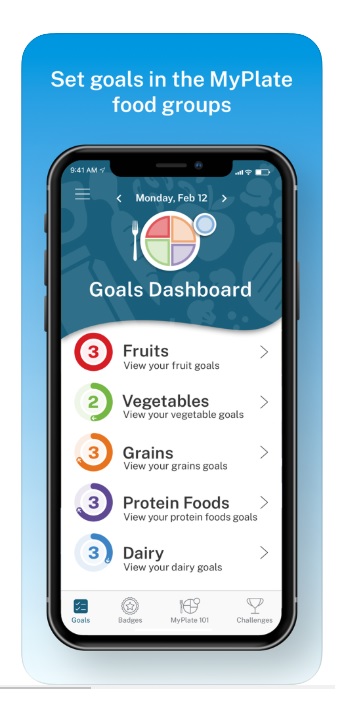
Start Simple with MyPlate is an app on both the apple store and the google play store that is run by the USDA and is based off of the MyPlate program. It allows the user to set goals for each food group that correlates with the amount of recommend servings that each individual should be eating. I would recommend this app because it allows the user to set goals and to work up their tolerance to eating healthy if they aren’t used to it. This app is available on both the Apple Store and Google Play Store.

Body Fast
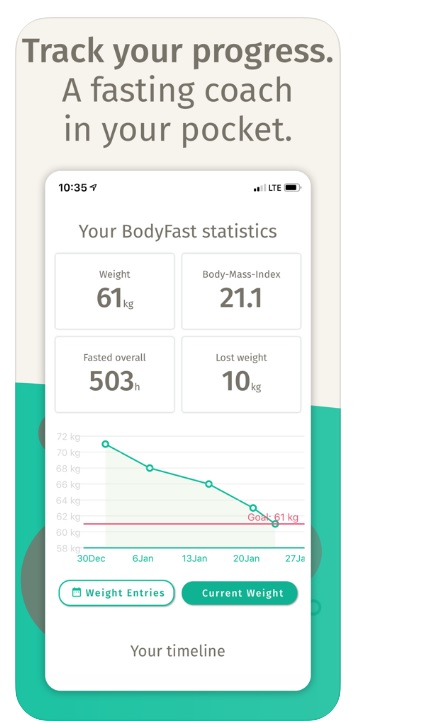
BodyFast Intermittent Fasting is a diet app that allows those who struggle with over eating and would like to lose weight. Intermittent Fasting is a diet that allows people to eat whatever they want but they can only eat during certain parts of the day. As seen by this screenshot of the app it allows goal setting and tracks your goals over time. If you are willing to pay a few they also offer coaching but the free app is good enough for those trying to lose weight and would like to try a new unique way of losing weight. With our current knowledge I would hope that my readers won’t eat whatever they want but instead would make healthy decisions. This app is available on both the Apple Store and Google Play Store.
Fooducate, Ltd.
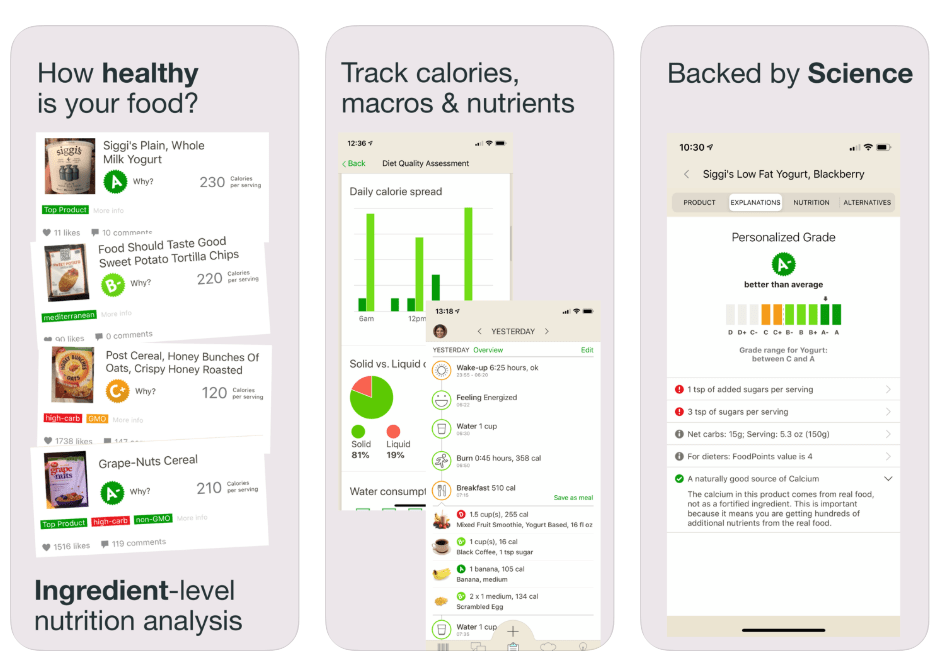
I included this one because the app tells you how healthy food is before you even buy it. This app is able to tell you the pros and cons of different types of name brand foods and even gives them a grade to help influence your decision. Along with this the app tracks calories and macro nutrients, which the common public doesn’t know a lot about, as well as the different types of nutrients you eat in your everyday diet. This app is available on both the Apple Store and Google Play Store.
Overall we can see that there are lots of useful types of apps that can help better your diet. Even those of us that aren’t very handy when it comes to using smart phones can find an app and navigate it with proficiency. All in all there are many options that can fit anyone’s skill, knowledge, and need.
Often the reason there are so many conflicting opinions and ideas about healthy eating is because there are so many different information sources that most people believe what they read without doing much or any fact checking. In a previous blog post, The Internet is Lying to YOU!, I talked about credible sources of information regarding diet and the types of sources that you should avoid.
It is often believed that eating carbs is the reason that people gain weight and that they are unhealthy for you. In reality carbohydrates is what our body uses for fuel most readily. And more importantly our brains only use glucose as a source of fuel and carbohydrates can be synthesized into glucose. However, eating healthy carbs is very important and most Americans eat enriched grains for their source of carbs instead of whole grains.

There is a common misconception that they egg yolk is significantly less healthy and than the egg white. But the only reason to ditch the yolk is if you are trying to create a energy deficiency because 90% of the nutrients in eggs comes from the yolk.
In a society that idolizes huge athletes with bulging muscles this is often mistaken for truth but in reality Americans have no problem consuming the recommend amount of protein and actually typical consume more than recommended. So ease up on the chicken at every mean.
Kale is considered one of the most nutrient dense foods on the earth. The only problem is that protein isn’t one of those nutrients. While kale boasts many other nutritional benefits it only has about 3 grams of protein in a serving.
I believe this one is just a misunderstanding of gain and losing of weight. Yes, eating a lot of calories will cause you to gain weight if you do not create a energy deficit with exercise. This is why some people are able to eat crazy amount of food and not lose weight. They have high basal metabolic rates and lose lots of active calories via exercise and in turn actually expend more calories than they took in.
This is one of the weirdest things I have ever heard someone tell me is that I shouldn’t eat fruit because it has too much sugar. While fruit is high in sugar it is high in natural sugars and fibers that haven’t been processed and are complex thus are not easily broken down by the body. Because of this we have to expend lots of energy to break down the complex sugars into simple sugars this can help create a energy deficit.
While eating healthy diets and exercise are one of the more ideal forms of weight loss it is completely possible to lose weight without exercising. Again this has to do with energy deficits and is more difficult to do if you have a low basal metabolic rate because you would have to consume very low amounts of calories to be in deficit.
Of course with every type of diet there is a double edged sword and vegetarianism and veganism are no different. The types of food consumed are very critical in following a vegetarian and vegan diet and if not done so correctly can make it unhealthy. Also those who follow these types of diets maybe at increased risk of stroke, harms to brain health, and in some cases depression.
Of course you have to look at these myths at face value because in most cases veganism and vegetarianism boast excellent results for health but that doesn’t meant that all of them are healthy. Also, deciding to eat the yolk versus not eating the yolk depends on the rest of your dietary needs and whether or not you are trying to lose weight. Just remember to do some research before you make some bold claims to your friends about their diet.
This is now the third post in the series about eating healthy foods. This blog started as a way to introduce the epidemic that is American obesity. If you would like to read my introductory, “Our Kids Are The Future and The Future Isn’t Bright“, post that discusses the rates of obesity among American children and the rates at which the consume fruits and vegetables.
In this post we will be discussing internet safety and tying it to out last post called, “The Internet is Lying to YOU!,” where we discussed which sources to trust on the internet and which ones to avoid. In that post I referenced MyPlate, which is a program run by the USDA.

Here you can see the format for the MyPlate program but I have replaced the types of food that are recommended with the different types of ways that we can use the Internet without harming ourselves or others.
Above we can see an example of what is known in the legal world as ” fair use.” The above diagram from MyPlate is copyright and technically I wouldn’t be able to use it without permission from the owner of the diagram but I have altered the image for a teaching method and am not using it to make a profit so therefore I can use it without asking permission.
However, if I were to use a copyrighted image I would first need to contact the company who owns the image and then cite that they are the owners of the image so it doesn’t look like I have stolen it. If you wan’t to make sure that you are using free photos for your project go to Creative Commons for all free use content. Since we’ve touched on it a little in the last couple sentences remember to cite any work that isn’t directly your original ideas and work.
Also, it is imperative that we stay safe on the internet. And we can do this by making sure we change our passwords from website to website and by making sure that they are contain a plethora of different characters and symbols.
Finally, we need to talk about social media. Social media can be a very dangerous but also a very useful tool. For example, I can use social media to reach more people to introduce them to my blog and my cause. A good way to think social media is how Juan Enriquez put it in his TED talk titled “Your Online life, permanent as a tattoo.” Juan mentions that our social media accounts and what we say on them are like tattoos and often represent how others view us so to make sure we state our real opinions on the internet in ways that we would be okay with them being tattooed on our body.
If you would like to know more about my campaign you can check our my Vimeo account where I post food and diet related videos.
In the previous blog post I talked about the issue of American childhood obesity and how a large portion of the kids in our country are overweight or obese. Although diet isn’t the only factor that contributes to obesity when analyzing what our children eat it is very apparent that their diets need to be improved and that they can be improved in a rather drastic way.
One of the main reasons I believe our kids aren’t eating as well as they can is because there is a lot of misinformation about diet and exercise on a daily basis so in this blog we will talk about some of the more reliable sources for healthier diets and what types of sources too avoid.
The first and one of the most recent sources that can help you lead and live a healthy diet is MyPlate. MyPlate is a government run project that is headed by the United States Department of Agriculture (USDA). It is an interactive website, with a supported phone app, that allows you to see how many servings you should be eating of each of the food groups on a single plate. This allow each person to be able to see what their plates at meals should look like in order to meet the recommended dietary needs.
The second reliable source that you can use are the 2015-2020 Dietary Guidelines from health.gov. Health.gov is a website with a plethora of information regarding healthy living and is run by the U.S. Department of Health and Human Services as a part of the Office for Disease Prevention and Health Promotion (ODPHP). More specific to diet is their dietary guidelines that come out every five years that can help at risk populations better understand the amount of each food group they are supposed to be eating and which types of food to avoid.
I wouldn’t be a very good blog writer if I didn’t understand that some people don’t like or trust the American government. So for those of you who don’t look no further than the World Health Organization (WHO). The WHO is an international organization that takes into consideration general dietary requirements of humans across the globe. Their healthy diet on record gives information about how much adults and children should consume of each type of food group. As well as they mention what foods to avoid to decrease chance of chronic disease.
There are several different types of sources that you need to keep your eye on that maybe misleading you. The first types of sources that you should be weary of are sources that offer diets that seem to good to be true. Such as Healthy Diet Magazine that claims you can still lose weight while eating treats. The specific example they give is a desert with what appears to be 90% whipped cream, which is high in fat and added sugars, and about 10% fruit. This diet seems too good to be true and you should be suspicious of them.
The second type of diet plans you should avoid are those that offer easy rapid weight loss. One that you may have see on TV for example, is Nutrisystem. Nutrisystem’s main goal is also to sell a product and not to help you lose weight. This can be seen as soon as you log onto their website. The first tile on their menu is an option to buy the program and they don’t tell you what types of food you can eat on their system until the last tile. This is a red flag and you should be weary of any diet plan that tries to sell you a product before actually telling you how it works and what you can eat.
Finally, another type of source that you should avoid are diet plans that offer no long term solution to a healthy diet. An example of this is Healthline, healthline is a website/magazine that does use peer reviewed research articles as evidence for why their methods work to help lose weight. However, they offer programs to help people lose weight quickly (see above for why this also is a red flag) but also offer weight loss plans that aren’t sustainable for long term weight loss. This means that their plan isn’t a very healthy diet but that instead they are a very restrictive diet plan that if followed for too long can cause adverse healthy effects.
But there is a lot of information on the internet and being informed on how to determine the best types of information is an important skill that will help you make healthier dietary choices.
There is an epidemic sweeping the nation and it is completely preventable. According to the National Center for Health Statistics (NCHS) data brief posted by the Center for Disease Control (CDC) in 2016, 18.5% of youth and 39.6% of adults were considered obese (BMI<30). These percentages have steadily increased since 2000 being a 5% increase in prevalence for youth and a 9% increase in prevalence for adults.
Along with an increase in obesity children are aren’t eating healthy foods and instead are eating large amounts of added sugars and enriched grains. According to the Office of Disease Prevention and Health Promotion (ODPHP) our youth are only eating anywhere from 33-50% of the daily recommended vegetables and typically eat around 50% of the recommended fruit.
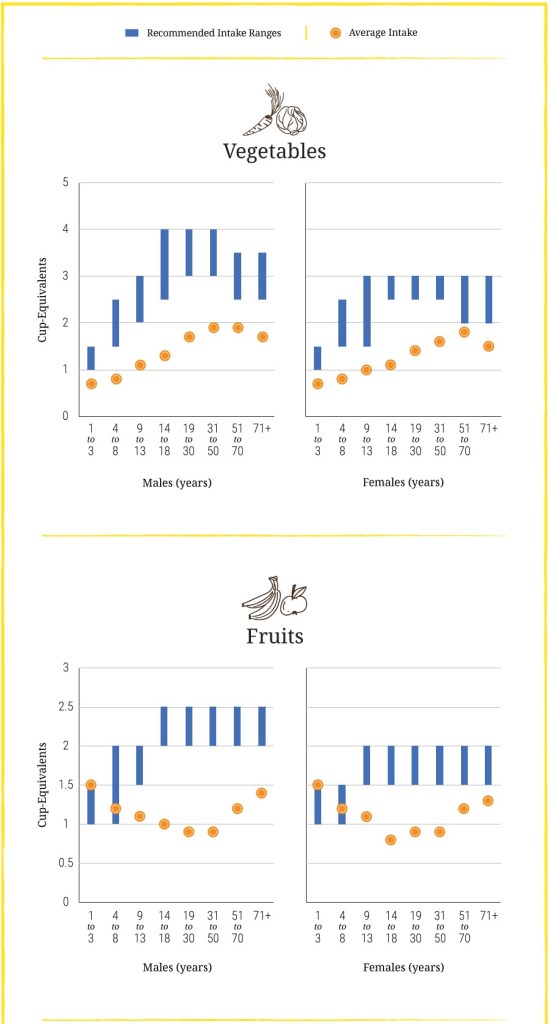
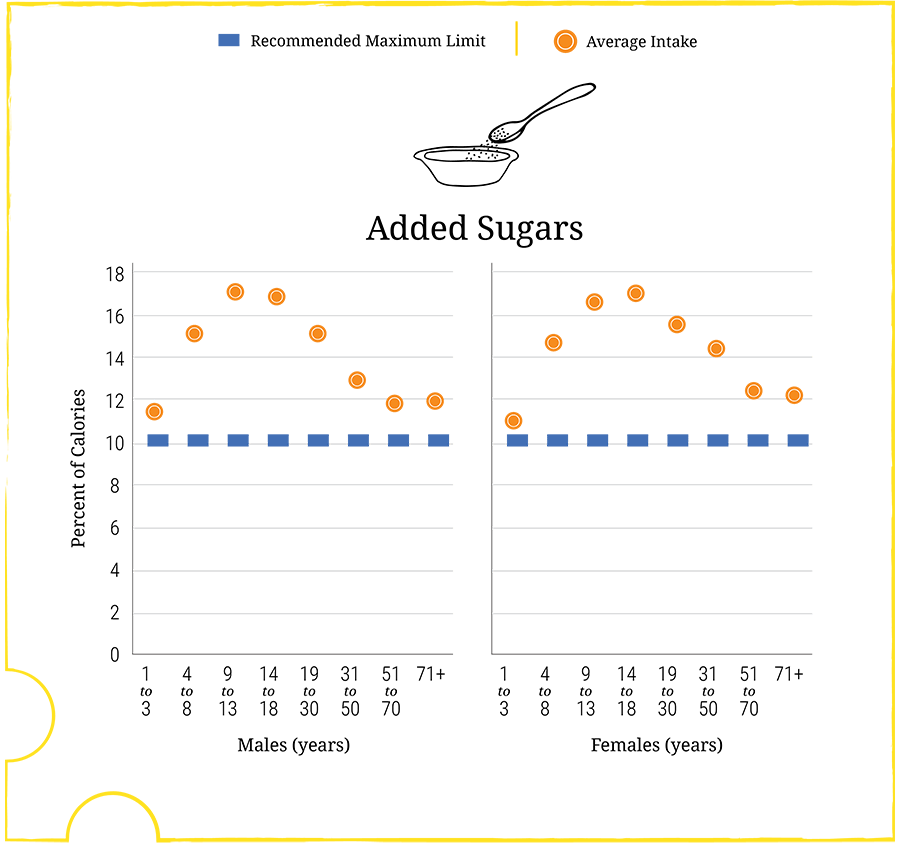
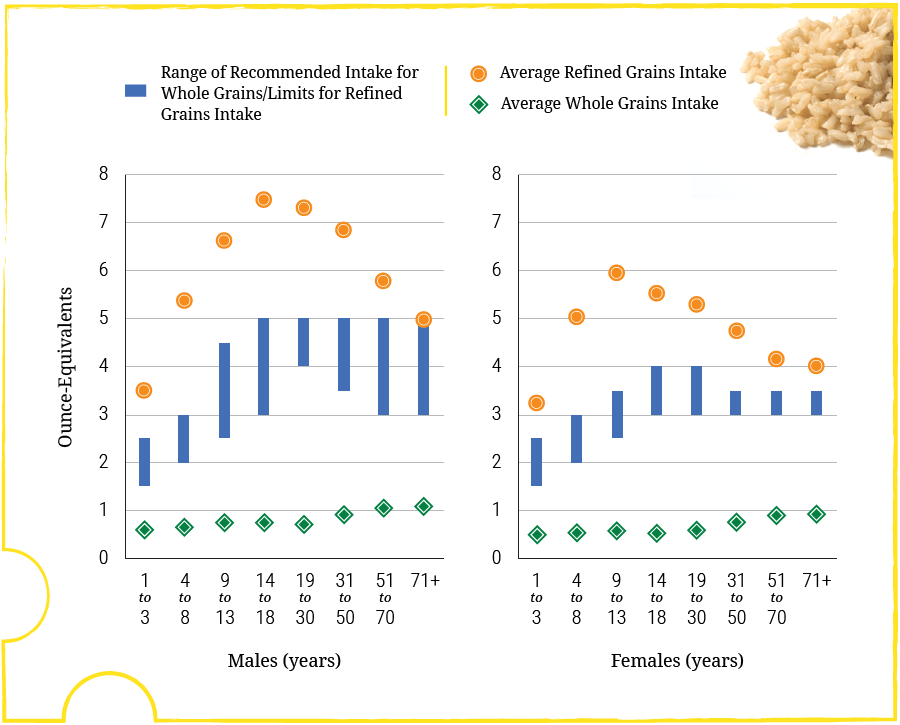
Along with these lack of nutritious food consumed by kids they are consuming anywhere from 2-3 times the amount of enriched grains that they should be eating and approximately twice the amount of added sugars they should be consuming.
This blog will be used as a way to introduce healthier food options to any population of people who are interested in eating healthier but may not like eating healthy foods. It will also be used as a way to show parents what they need to be feeding their kids to prevent chronic diseases in their adulthood because after all, they are the future. Lets make eating healthy fun and enjoyable!

 Good Eats While Eating Good